Modern Kitchen AI Design

Upload one photo. The AI renders a modern kitchen direction over your actual layout — clean cabinets, matte stone, layered lighting — in under a minute.

Built for real room photos

Start with a photo of the space you actually want to redesign.

Explore room styles

Compare directions from minimal and modern to Japandi and bohemian.

See a direction before you commit

Use a visual concept to clarify your taste before buying or renovating.

Try a sample room
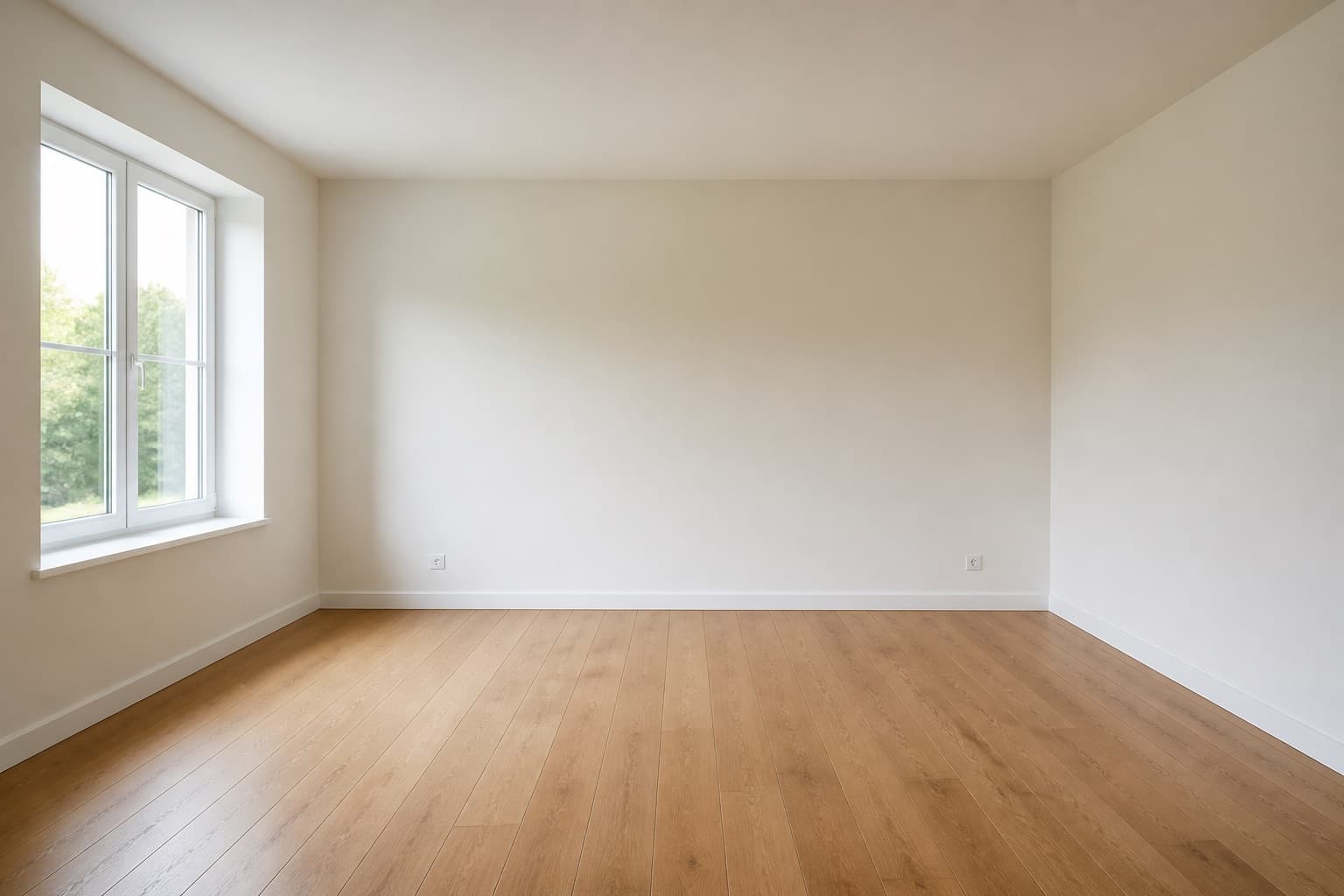
Original room previewBefore
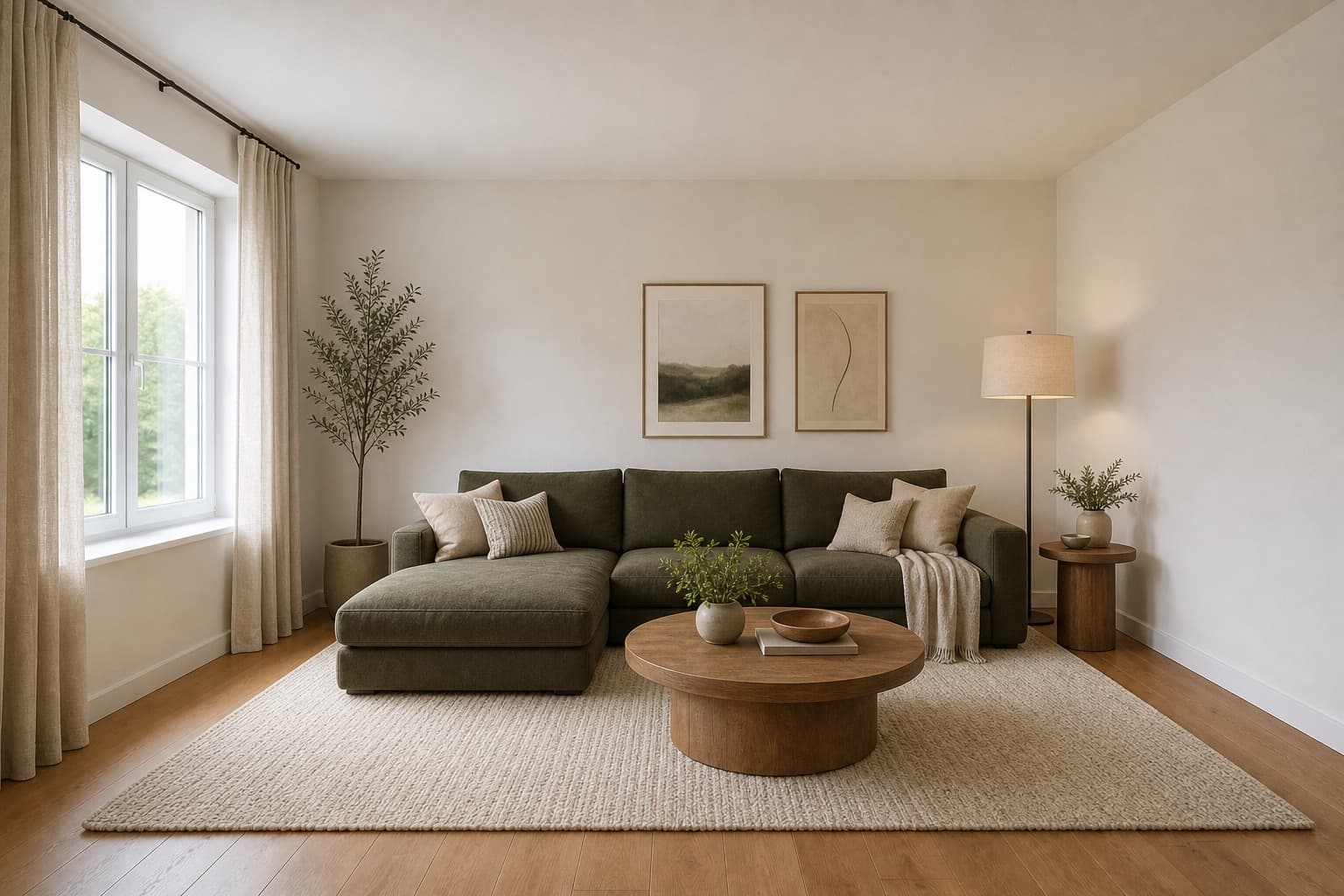
Selected room design conceptAfter

Made for homeowners, renters and design enthusiasts

Homepage previews stay on this device JPG, PNG and WebP supported Works on any device

Modern Kitchen AI Design

Modern Kitchen AI Design

A modern kitchen is built around how cooking actually moves. Cabinetry runs in clean horizontal lines, countertops are matte stone that hides the marks daily cooking leaves, and the lighting is layered so the prep surface is lit independently of the room. Nothing is decorative for its own sake; every element earns its place by doing work, and the room reads as honest rather than styled.

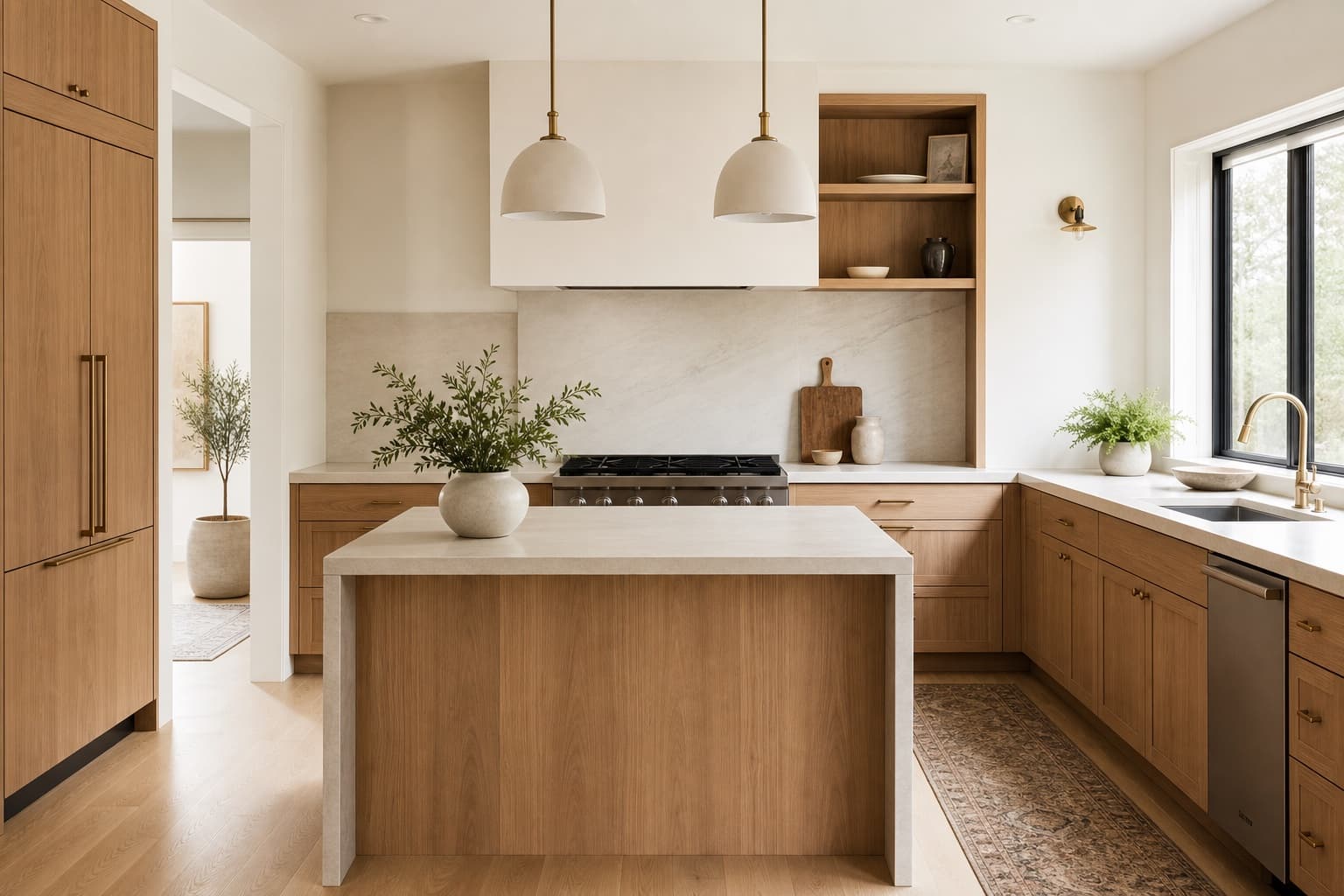
Miraliq's modern kitchen AI design tool reads the photo you upload and rebuilds the room along those lines. Cabinets tighten toward handleless flat fronts, counters move toward matte quartz or porcelain, the palette neutralizes to greige and oak, and lighting splits into task and ambient layers. Your layout, appliance positions, and window locations stay the reference point throughout — the AI works with the kitchen you have, not the one you wish you had.

Use it before you refit the cabinetry, before you choose a countertop material, or before you talk to a kitchen fitter. A render of your own kitchen answers whether clean lines will actually survive the way you cook in it, or whether the room needs more warmth than modern alone provides. It is the cheapest part of a kitchen refit and often the most useful.

Before & After

See the redesign, before and after

Original kitchen before modern AI redesign — dated cabinet doors, busy countertop, warm yellow lightingBefore
Same kitchen rendered in a modern direction — handleless cabinets, matte stone counters, layered task lightingAfter

Cabinets tightened to flat fronts, counters moved to matte stone, lighting layered — layout untouched.

Use Cases

When this tool earns its keep

1

Update dated cabinet doors safely

Replacing cabinet doors is the single highest-impact kitchen change for the money, but it is also a real spend you do not want to get wrong. The modern kitchen AI design tool shows what handleless flat fronts would do for your layout before you order them, so you can judge whether the cleaner line suits your kitchen or leaves it looking unfinished.

2

Test a matte stone countertop

Matte quartz and porcelain hide cooking marks that glossy surfaces magnify, and they have become the default for modern kitchens for that reason. The render shows how the material reads against your cabinets and walls before you commit to a slab, which is a purchase you cannot return once cut.

3

Plan layered lighting before rewiring

Modern kitchens separate task and ambient light, and getting that split right is the difference between a kitchen that works and one that just looks good. The AI render shows where under-cabinet and pendant layers should sit, which is exactly the brief your electrician will need before they start cutting into walls.

AI Design Process

From photo to redesign in four steps

Step 1

Upload a photo

Shoot the kitchen straight-on, capturing the main counter run and any upper cabinets in the frame. The modern kitchen AI design tool reads cabinetry lines, material transitions, and lighting from the photo. JPG, PNG, and WebP up to 4MB are supported. Shoot in daylight with the worktop clear for the most honest starting point.

Step 2

Choose modern direction

Select kitchen and modern. The AI tightens cabinets to handleless flat fronts, moves counters to matte stone, neutralizes the palette to greige and oak, and layers lighting over your existing layout. The room type preserves your layout and appliance positions; the style directs the clean lines.

Step 3

Generate the redesign

In under a minute you receive a high-resolution render. Layout and appliance positions stay exactly where they were; cabinetry, counters, palette, and lighting move toward a contemporary register. The kitchen you get back is recognizably yours, only cleaner and more current.

Step 4

Compare and iterate

Use the before/after slider to judge the change. If the kitchen reads too cool, regenerate with minimalist to strip it back further, or compare against the original to see the full distance traveled. One render rarely settles a kitchen refit — generate modern and minimalist back to back to find the right temperature.

Room Tips

Get the most out of every render

Shoot with the worktop clear

Small appliances and clutter on the worktop confuse the AI's reading of the cabinetry line below them — the tool cannot tell where the counter ends and the stuff begins. Clear the counter before shooting so the render reads clean horizontal runs, which is what the modern direction depends on.

Photograph cabinet doors closed

Open cabinet doors introduce pattern and color the AI will try to preserve, working against the flat-front cabinetry modern kitchens depend on. Close them so the render can propose the clean continuous cabinet line the direction calls for, rather than a compromise between old and new.

Capture the full counter run

Modern kitchen design composes along the counter line, and the AI needs to see its full length to read the proportions it will tighten. If the counter run is cut off in the frame, the render will misjudge cabinet scale and the composition will read as unbalanced. Step back far enough to get the whole run in.

Shoot in daylight, not under cabinet lights

Cabinet lighting flattens the materials the AI needs to read, because it washes out the texture that distinguishes matte stone from glossy laminate. Shoot in daylight so the render reflects true matte stone and cabinet finish rather than the lit-only appearance, which is not what you will live with.

Supported Styles

Directions the AI can take your room

Modern

Clean cabinetry, matte stone counters, balanced forms — this page's direction and the contemporary kitchen default. It keeps enough warmth through matte oak and brushed metal to stay livable while reading as current, which is why most kitchen designers reach for it first.

Japandi

Japanese restraint plus Scandinavian warmth. Lower cabinetry, oat and oak palette, warmer than straight modern. Try it if the modern render reads as too cool and you want to add pale wood warmth without abandoning the clean lines.

Minimalist

Stripped-back and intentional. Even cleaner than modern — less material variety, more hidden storage, fewer surfaces. Try it if the modern render still reads as too busy and you want to push further toward a single calm plane.

Mid-century Modern

Warm woods and organic curves. A warmer, more characterful partner to straight modern for kitchens that feel cold — it adds teak, walnut, and tapered legs without abandoning the clean lines a working kitchen needs.

Bohemian

Layered textiles, natural materials, and expressive color. Rarely used in full kitchens because it conflicts with the hygiene a kitchen needs, but useful as accent inspiration for a kitchen that reads too clinical.

FAQ

modern kitchen AI design FAQ

What is the difference between a modern and a minimalist kitchen?
A modern kitchen keeps material variety — matte stone, oak, brushed metal — layered with warmth. A minimalist kitchen strips that variety back to one or two materials and hides storage almost entirely. The modern kitchen AI design tool keeps enough warmth to stay livable; the minimalist tool would go further. Generate both and compare — the difference is immediately visible, and it tells you which temperature your kitchen wants.
Will the AI keep my appliance positions?
Yes. The modern kitchen AI design tool preserves the layout — sink, stove, fridge positions — and reinterprets the cabinetry, counters, backsplash, and lighting around them. Moving appliances is a structural change that needs a contractor, not a render. The render tells you whether the appliances you have deserve the cabinetry investment before you spend on it.
Does modern work in a small kitchen?
Especially well. Handleless flat fronts and a restrained palette are exactly what compact kitchens need to read larger, because visual breaks are what make small kitchens feel cramped. The AI keeps the cabinet line continuous so the room reads as one calm surface, and the flat fronts eliminate the handles that would catch the eye.
What countertop material does the modern render use?
Matte quartz or porcelain in greige, charcoal, or soft white. The AI avoids glossy granite and busy veining, which read as dated rather than contemporary. If your existing counter is glossy, the render will show you what a matte alternative would look like in the same position — which is often the single most useful comparison the tool offers.
Can I keep my existing cabinets and only change doors?
Yes, that is often the highest-impact change for the money, because the cabinet boxes are fine and only the doors date the room. The render shows what flat-front doors would do for your cabinet boxes. Use visualize mode if you want to preserve the existing cabinet finish entirely and only shift lighting and palette.
How long does a modern kitchen render take?
Under a minute. You can generate modern and minimalist directions back to back and compare them before you talk to a kitchen fitter, which means the first conversation with a contractor can start from two renders rather than a list of wishes. That is a better use of everyone's time and money.

Keep exploring

Related AI room design tools

See your kitchen in a modern direction

Upload one photo. The AI renders handleless cabinets, matte stone counters, and layered lighting over your actual layout in under a minute. Free to try, no card required for the first render.

Upload & Try Free

MIRALIQ