We uploaded our living room photo and got three Scandinavian directions back in under two minutes. We picked one, showed it to our contractor, and the final result is shockingly close to the render.
Maya Patel
First-time homeowner, Brooklyn
Upload one photo of your balcony. The AI renders an art deco direction over your actual railing — brass planters, geometric floor, emerald velvet — in under a minute.
Start with a photo of the space you actually want to redesign.
Compare directions from minimal and modern to Japandi and bohemian.
Use a visual concept to clarify your taste before buying or renovating.
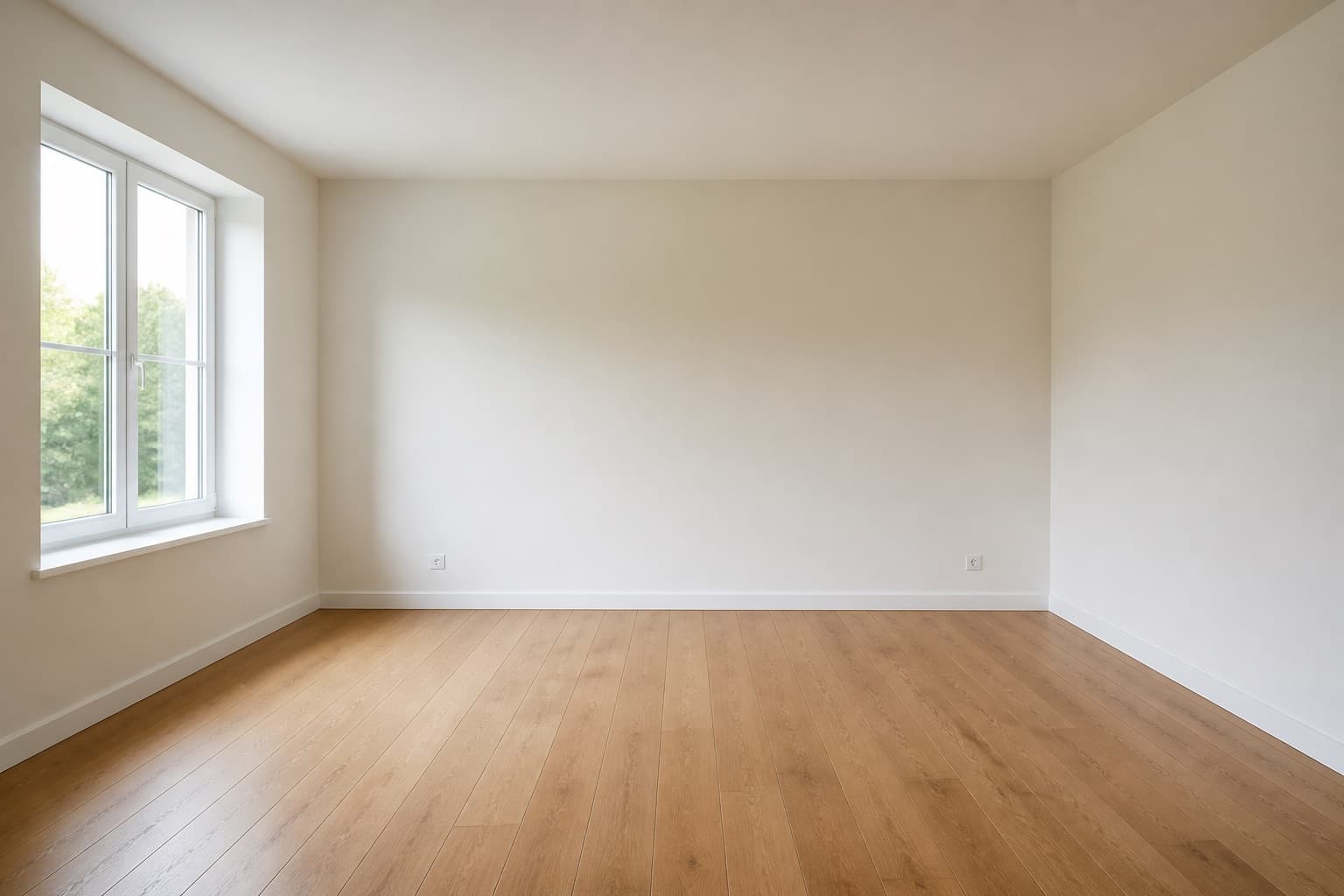 Before
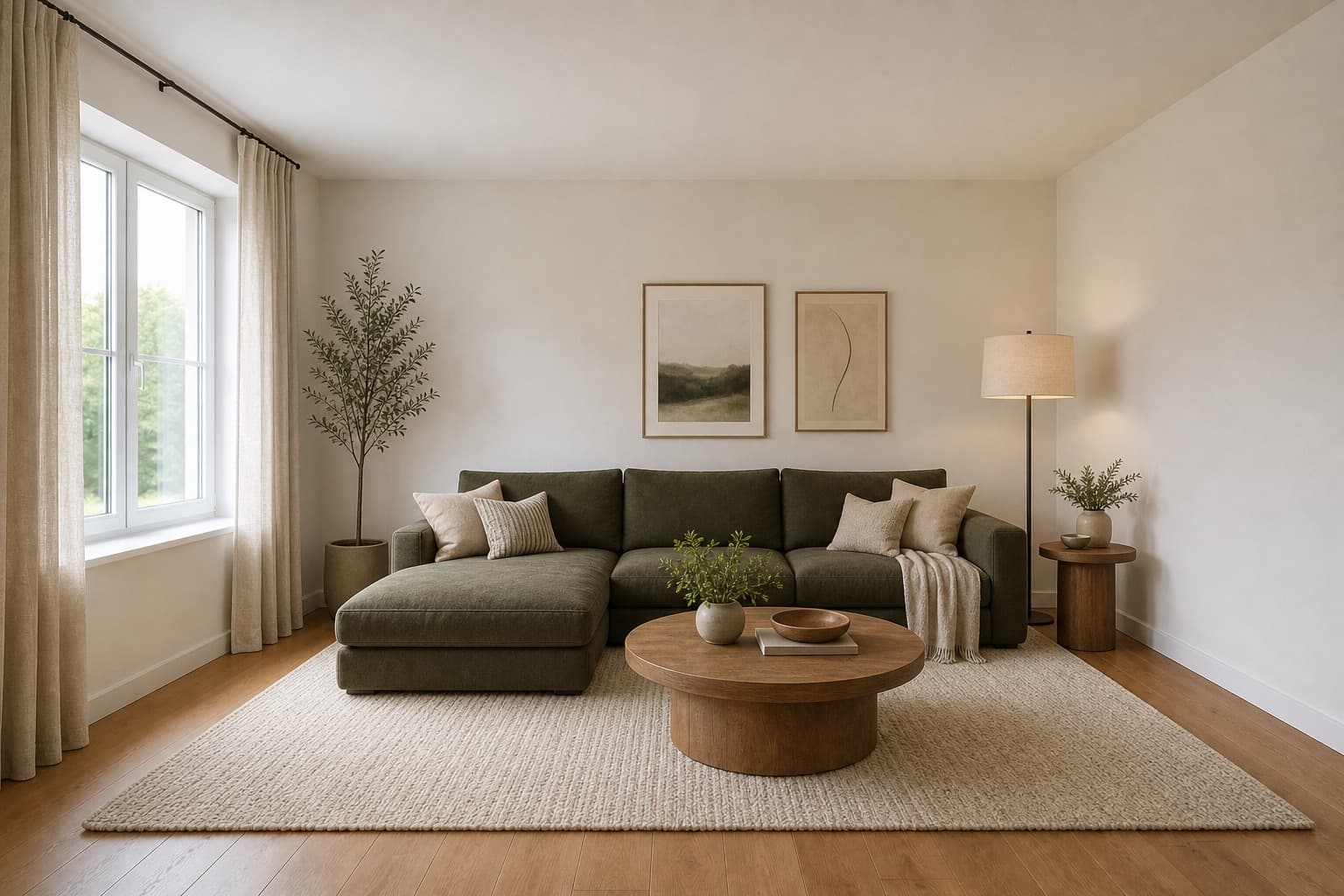 After
AfterMade for homeowners, renters and design enthusiasts
Art Deco Balcony AI
An art deco balcony is a small stage, and it knows it. Where a coastal balcony tries to disappear into the view, art deco leans into the fact that a balcony is a frame you step into — geometric floor tiles set the scene, brass catches the last hour of sun, and a single velvet cushion in emerald or sapphire does the work an entire sofa would do indoors. The style was built for the ocean liners and Paris apartments of the 1920s, which is to say it was built for small, formal outdoor spaces exactly the size of an apartment balcony. It is not a costume on a balcony; it is one of the few styles originally designed for one.
Miraliq's art deco balcony AI reads the photo you upload and rebuilds the surface in that direction — brass planters with geometric patterns along the parapet, black and white geometric floor tiles underfoot, velvet outdoor cushions in emerald green on a single statement chair, stepped chrome sconces for the evening, a gold-trimmed glass side table, geometric railing inserts that dress the existing railing rather than replace it. The geometry does not move. The railing stays where the structural engineer put it, the slab stays the size it is, and the parapet stays the height the code requires. What changes is the dressing over that geometry — the part of deco that was always meant to be surface, not structure.
Use it before you buy a single tile, because art deco is the style most likely to look magnificent in a render and impossible in real life if the proportions are wrong. A black and white geometric floor on a three-square-metre slab reads very differently from the same floor on a terrace, and a brass planter that looks proportionate next to one railing looks comical next to another. A render of your own balcony, with the railing and the slab you actually have, tells you whether the direction reads as Gatsby or as a costume-party before you have committed to a tile order you cannot return.
Before & After
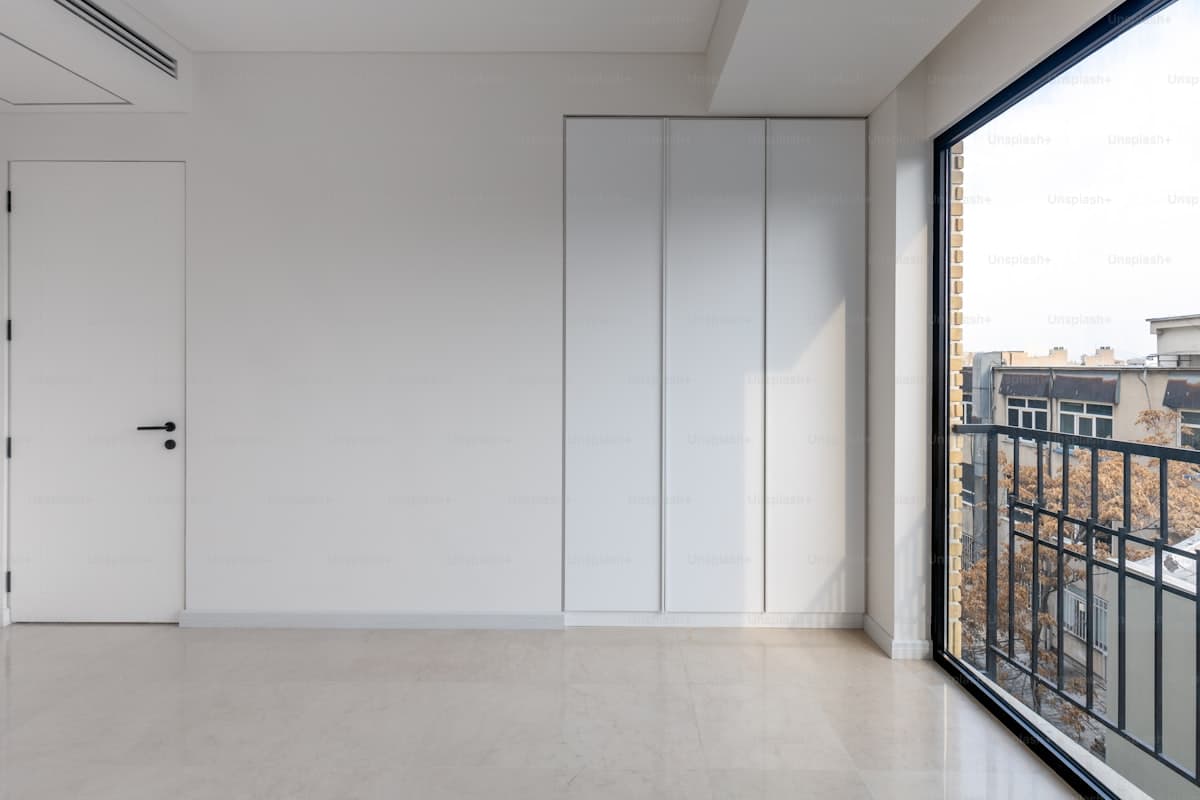 Before
 After
AfterGeometry and railing preserved. Surface dressed in an art deco direction — brass, geometric tile, emerald velvet — in a single render.
Try it now
Upload a photo and let the AI redesign it in seconds. No sign-up needed to preview.
Loved by homeowners
50K+
Rooms redesigned
180K+
Designs generated
4.9/5
Average rating
90s
Average generation time
We uploaded our living room photo and got three Scandinavian directions back in under two minutes. We picked one, showed it to our contractor, and the final result is shockingly close to the render.
Maya Patel
First-time homeowner, Brooklyn
I use this for every studio project. The Mid-century direction is genuinely well-researched — it nails the walnut + ochre + brass palette without me having to prompt for it.
Daniel Reyes
Interior design student, Chicago
Landlord won't let me paint. The refresh mode showed me how rearranging furniture, swapping rugs, and adding plants could transform the space without touching the walls. Genius.
Yuki Tanaka
Renter, Tokyo
Rated 4.9/5 by homeowners and design enthusiasts
Use Cases
Black and white geometric floor tile is the art deco balcony's signature, and it is the element most sensitive to scale — a pattern that reads as elegant on a 4-square-metre slab reads as busy on a 2-square-metre one, and a pattern that works in a catalogue reads as a chessboard on your actual floor. The art deco balcony AI renders the geometric tile at the scale of your real slab, so you see whether the pattern sits or shouts before you order a single carton of tile you cannot return.
The railing is the part of a balcony you cannot legally change, and on an art deco balcony it is also the most visible vertical surface — which is a problem if your railing is a plain steel tube. The AI's geometric railing inserts render the solution: a brass or blackened-steel decorative panel clipped over the existing railing that reads as deco without touching the structural element. You get the look without the permit, and the render shows you whether the dressing sits with the rest.
Art deco on a balcony is a single-chair discipline — the slab is too small for a set, and deco reads strongest when one velvet-cushioned statement chair does the work of a sofa. The AI renders the chair at the scale of your slab so you can see whether a single armchair with an emerald cushion leaves room for a side table and a planter run, or whether you need a lower slipper chair to keep the sightline open. The render answers a question a furniture showroom cannot.
Brass is the art deco balcony's lighting material, and it only reads as warm when it catches light — which means placement has to follow the sun, not the symmetry. The AI's stepped chrome sconce and brass planter render shows you where the evening light lands on your actual slab, so the brass sits in the path of the last hour of sun rather than in a symmetrical position that never gets warm. Get the placement right and the balcony glows at the hour you use it; get it wrong and the brass reads cold.
AI Design Process
Shoot your balcony straight-on from the sliding door, in daylight, with the railing, the slab, and the parapet all visible. The art deco balcony AI reads the slab size, the railing style, the parapet height, and the sun direction from the photo itself — it does not need measurements. JPG, PNG, and WebP up to 4 MB are supported, and a single clean frame is enough to generate from.
Select balcony as the room type and art deco as the style. The AI keeps your architecture — railing position, slab geometry, parapet height — and applies geometric floor tile, brass planters, velvet cushions, and stepped chrome sconces over it. You are directing the surface dressing, not redrawing the structure. The railing the code requires stays exactly where it is.
In under a minute you receive a high-resolution render. Railing and slab stay exactly where they were; floor, planter, seating, and lighting shift toward an art deco mood. The architecture is the reference, not the casualty — nothing structural moves, which matters on a balcony where the structural margin is zero and the railing is a legal fixture.
Use the before/after slider to judge whether the direction fits your slab, your light, and the building opposite. Too formal for your taste? Generate a second render in mid-century modern for a warmer, less geometric take, or in modern for a cleaner one. One render rarely settles a balcony — two or three together tell you whether deco sits with your building or reads as costume.
Room Tips
Art deco lives by brass catching light, so testing it at the hour you will actually use the balcony is the honest test. A photo taken in the last hour of sun tells the AI where the brass planter and the chrome sconce will actually glow, and the render will be a better predictor of whether the materials will read warm at the hour you sit down. A noon shot will still render, but the brass will look flatter than it will in real life.
The art deco balcony AI dresses the railing with geometric inserts, so it needs to read the railing's exact pattern, spacing, and height accurately. An angled shot makes a vertical railing read as a diagonal and the decorative inserts come back misaligned. Shoot dead-on, with the railing fully in frame top to bottom, so the dressing lands where it should.
Art deco floor tile is the headline material on a balcony, and the slab is small enough that anything on it covers half the story. Sweep the floor, move the broom and the drying rack out of frame, and the AI will render a clean geometric surface that actually predicts the finished balcony. Clutter left in frame becomes clutter the AI has to design around, and the geometric pattern comes back broken.
Art deco reads strongest against a building that has some architectural character of its own, and weakest against a blank concrete wall — so the AI needs to see the backdrop to judge whether the geometric direction will sit with it. Including the neighbouring building in the frame lets the render tell the truth about how the deco balcony will feel against whatever is actually opposite your slab, not against a backdrop the render invents.
Supported Styles
Clean lines and balanced forms with restrained details. A less formal default than art deco if your building is contemporary — it keeps the geometric discipline but trades brass and velvet for matte black and powder-coated steel, which reads as deliberate rather than theatrical on a city balcony.
Warm woods and organic curves rooted in the 1950s and 60s — art deco's warmer, less geometric descendant. Useful if the deco render reads too sharp or too formal and you want teak, tapered legs, and curved backrests without abandoning the period character. Mid-century softens deco's edges without losing its seriousness.
Pale wood and warm whites — the opposite direction from art deco's black, brass, and emerald. A useful comparison if the deco render reads too dark or too rich for a balcony you want to feel light and calm. Scandinavian drops the geometry and the velvet in favour of pale oak and linen, which on a small slab often reads larger than it is.
Japanese restraint fused with Scandinavian warmth, with lower furniture and a quieter palette. A useful midpoint if deco reads too loud and Scandinavian reads too plain — Japandi adds wood warmth and paper light without the geometric shouting, which matters when the slab is small and the backdrop is busy.
Layered textiles, natural materials, and expressive colour — art deco's less disciplined opposite. Where deco restrains itself to emerald and brass, bohemian layers several colours and textures. Rarely the right answer for a full balcony, but useful as a comparison: generate it once and the deco render suddenly reads as more intentional by contrast.
FAQ
Keep exploring
Upload one photo. The AI renders brass planters, geometric floor tile, and emerald velvet over your actual balcony in under a minute — no measurements, no software, no commitment. Free to try, no card required for the first render.
Upload & Try FreeMIRALIQ