We uploaded our living room photo and got three Scandinavian directions back in under two minutes. We picked one, showed it to our contractor, and the final result is shockingly close to the render.
Maya Patel
First-time homeowner, Brooklyn
Upload one photo of your yard. The AI renders a landscape direction over your actual property — patios, planting beds, pergolas, and path lighting — in under a minute, with the existing house and major trees preserved.
Start with a photo of the space you actually want to redesign.
Compare directions from minimal and modern to Japandi and bohemian.
Use a visual concept to clarify your taste before buying or renovating.
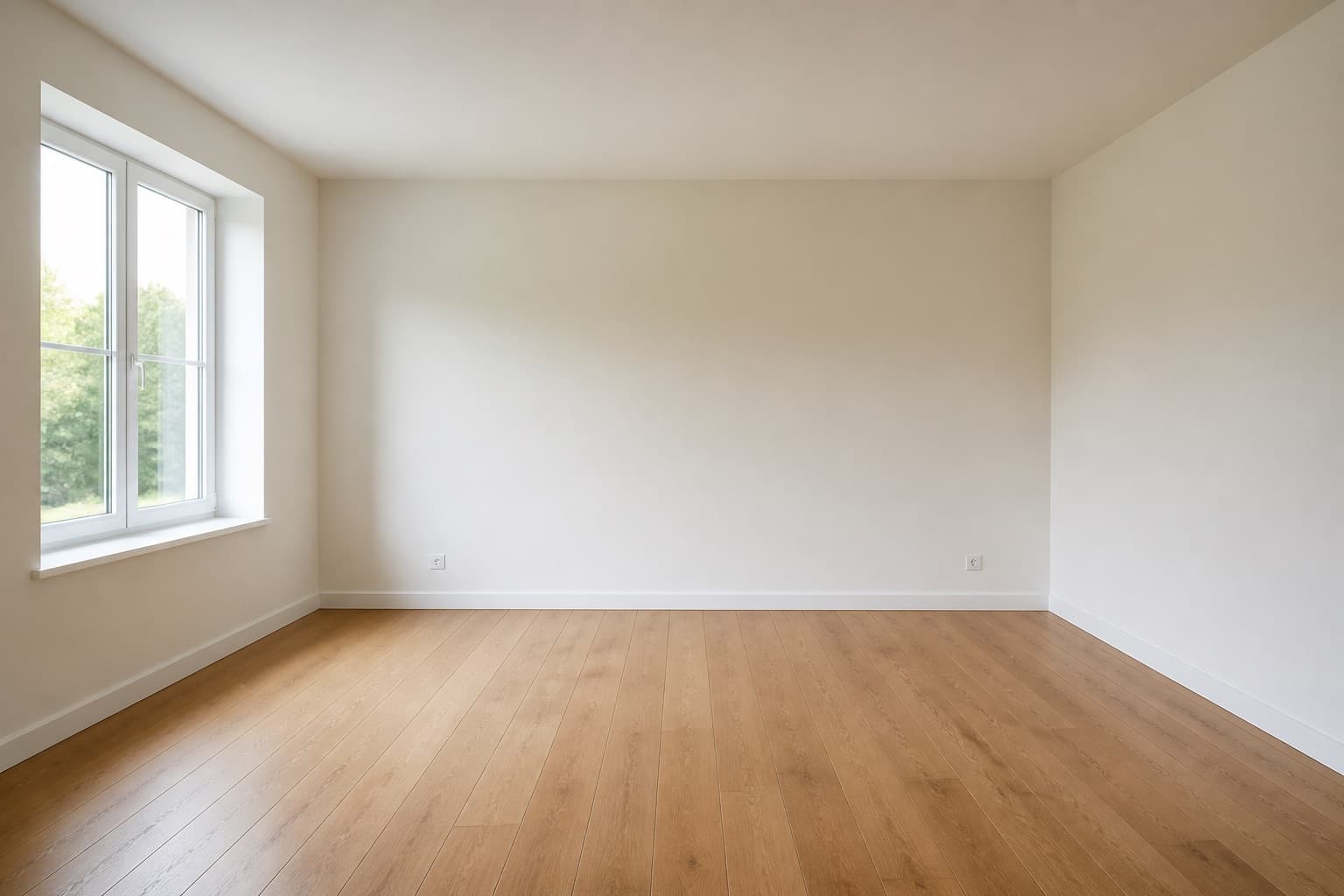 Before
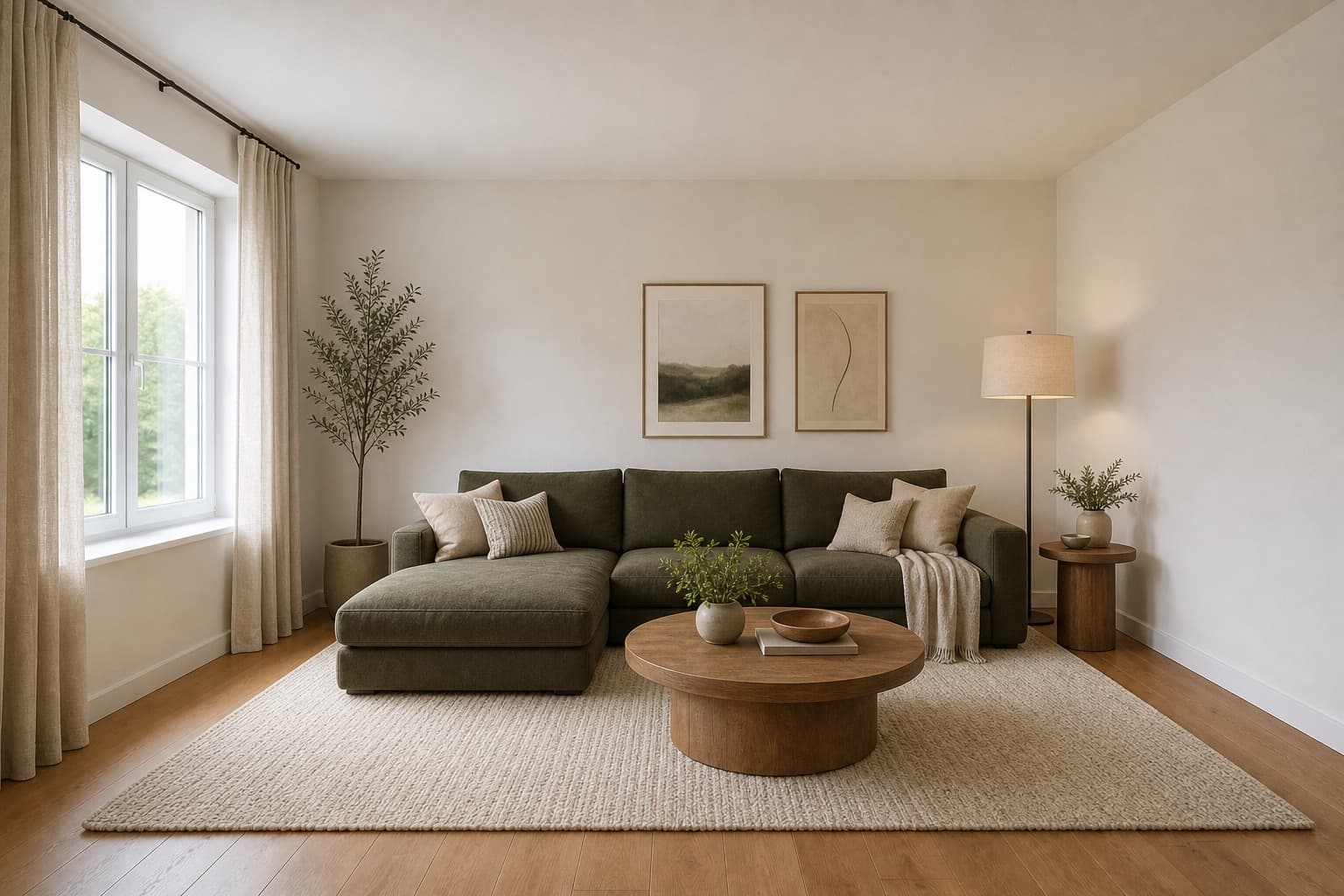 After
AfterMade for homeowners, renters and design enthusiasts
AI Landscape Design
Landscape is the slowest-moving design problem most homeowners ever take on — a patio outlives a sofa by decades, a tree outlives the house, and a retaining wall built wrong will be leaking soil into the driveway for just as long. Where a living room can be reupholstered in an afternoon, a garden commits you to a direction the moment the excavator arrives, and the invoice for that direction arrives immediately. That asymmetry is exactly why a render is more useful before a landscape project than before any interior one. The cost of being wrong is measured in cubic yards of concrete, in seasons of waiting for a misplaced hedge to fill in, and in a driveway that no longer drains the way it used to. A render costs nothing to iterate; a poured concrete retaining wall costs everything to redo.
Miraliq's AI landscape design tool reads the photo you upload of your lot and rebuilds the outdoor space in a chosen direction — hardscape, softscape, structures, and lighting — while preserving the existing property lines, the building positions, and the major trees that are too costly to remove. What changes is the layout of patios and paths, the palette of materials underfoot, the planting massing that frames the view from inside the house, and the way the outdoor lighting will read at nine in the evening. The render is not a CAD plan and it will not tell you the slope of the grade or the load a deck footing has to carry. What it does is settle the question that CAD cannot — whether the direction you are considering actually looks the way you hoped it would once it is built.
Use it before the excavator arrives, before you commit to a pergola the wrong size for the terrace, or before you let a contractor talk you into a lawn you will spend the next decade mowing. A render of your own yard answers a question a Pinterest board cannot — whether a modern direction actually sits well against the brick of your house, whether a Japanese-inspired garden reads as serene or just sparse on your particular lot, and whether the deck you imagined fits without eating the lawn the children still use. The render is the point at which a vague preference for outdoor living becomes a direction you can price, sequence, and act on — or set aside before it costs you a season of waiting for the wrong hedge to fill in.
Before & After
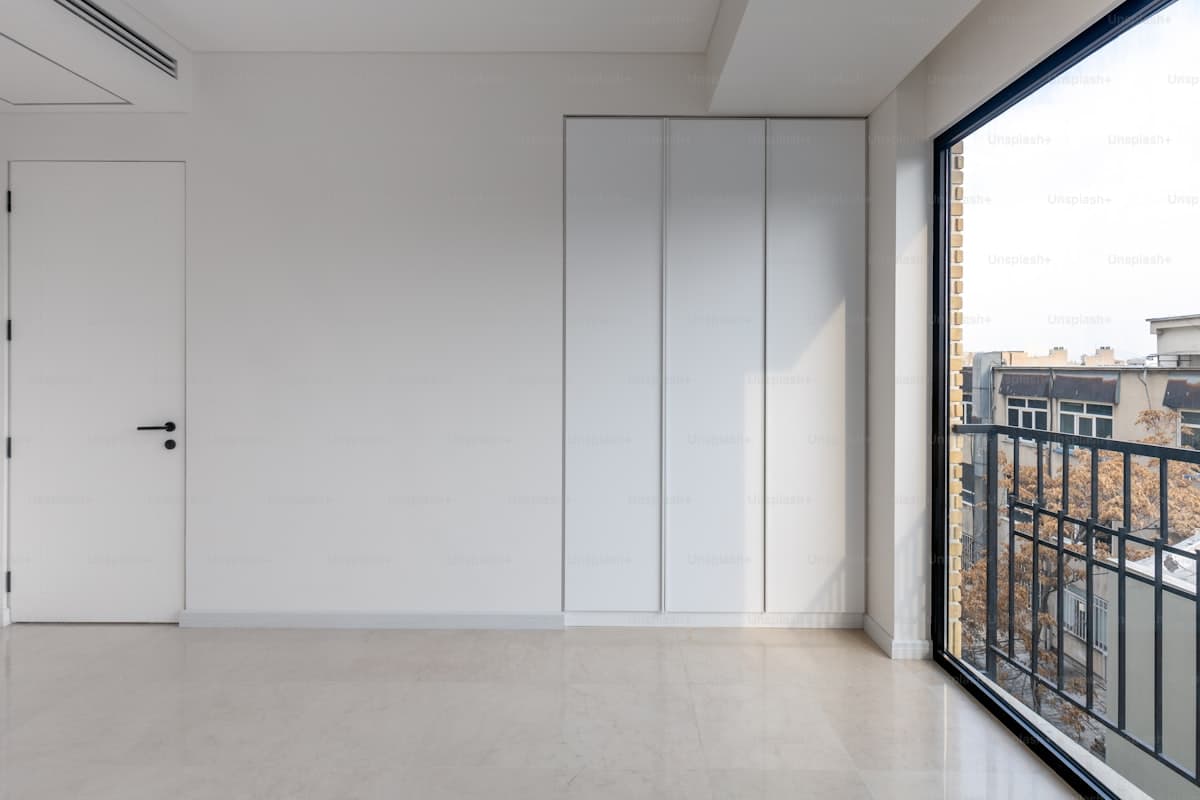 BeforeAfter
Property lines and major trees preserved. Hardscape, softscape, and structures rebuilt in a single landscape render.
Try it now
Upload a photo and let the AI redesign it in seconds. No sign-up needed to preview.
Loved by homeowners
50K+
Rooms redesigned
180K+
Designs generated
4.9/5
Average rating
90s
Average generation time
We uploaded our living room photo and got three Scandinavian directions back in under two minutes. We picked one, showed it to our contractor, and the final result is shockingly close to the render.
Maya Patel
First-time homeowner, Brooklyn
I use this for every studio project. The Mid-century direction is genuinely well-researched — it nails the walnut + ochre + brass palette without me having to prompt for it.
Daniel Reyes
Interior design student, Chicago
Landlord won't let me paint. The refresh mode showed me how rearranging furniture, swapping rugs, and adding plants could transform the space without touching the walls. Genius.
Yuki Tanaka
Renter, Tokyo
Rated 4.9/5 by homeowners and design enthusiasts
Use Cases
A concrete or natural-stone patio is a 20-year decision, and the only honest way to judge one is to see it at scale across your actual yard. A sample swatch tells you nothing about how the surface reads against the existing lawn, the fence line, or the brick of the house. The AI landscape design tool renders the full patio across your real lot so you can judge whether the size, the material, and the relationship to the house actually work before the concrete truck shows up.
A pergola changes a patio from a surface into a room, but the proportion has to be right or it reads as either a carport or a toy. The render lets you see a pergola at the exact scale your terrace would carry, in the material you were considering — cedar, painted steel, or blackened wood — before you file the permit or order the lumber. You can also generate the same yard without the pergola and compare which version the space actually wants.
Landscape contractors bid from plans, but plans do not carry mood, and mood is usually where the disagreement lives. Send the AI landscape design render to two or three bidders and the conversation starts from a shared image of the finished yard rather than a list of materials they each interpret differently. You spend the site walk talking about whether the path should curve and where the uplighting lands, not what you meant by a Mediterranean direction.
Front yards age faster than any other part of a property — foundation plantings from the 1990s are now overgrown, the lawn has thinned where the tree canopy has filled in, and the walkway no longer matches the house. The render rebuilds the front yard from the same photo, lets you see a cleaner planting mass or a wider path or a different porch treatment, and tells you whether the renovation is worth the curb appeal or whether the back yard deserves the budget first.
AI Design Process
Shoot the yard straight-on from the back door or the street, in daylight, with the house and the main existing features visible — trees, fence, patio, shed. The AI landscape design tool reads the lot from the photo itself and does not need a survey, a site plan, or measurements. JPG, PNG, and WebP up to 4MB are supported. A single clean frame from a standing eye-level position is enough to generate from.
Select exterior as the room type and redesign as the mode, then pick a style — modern, Scandinavian, mid-century, Japandi, or Bohemian. The AI preserves your property lines, building positions, and major trees, then rebuilds the hardscape, planting massing, outdoor structures, and lighting in the chosen direction. You are directing the landscape, not redrawing the property line or moving the house. The architecture stays where it has always been; what changes is the outdoor room around it.
In under a minute you receive a high-resolution render of the yard in the new direction. Property lines, building positions, and major trees stay exactly where they were; the patio surface, the planting beds, the pergola, and the path lighting shift toward the chosen mood. Nothing structural moves — the house footprint is the reference, not the casualty, and the existing tree you cannot afford to remove stays in frame. The render reads as a photograph of the yard you might have, not a sketch of one.
Use the before/after slider to judge whether the direction fits your lot. Too formal for a family back yard? Generate a second render in Bohemian to loosen the planting, or in Scandinavian to lift the palette toward silver birch and granite. One render rarely settles a landscape redesign — two or three together tell you which version of the direction your yard actually wants, and which version your budget can plausibly deliver next season.
Room Tips
The AI landscape design tool reads the yard from the angle you give it, and that angle becomes the camera for the render. A back yard is best shot from the back door or the kitchen window — the vantage you actually live with — and a front yard is best shot from the curb. A drone shot from above looks impressive but flattens the grade the AI needs to read, and the render comes back looking more like a site plan than a yard.
The house is the largest fixed element in any landscape render, and the AI uses it as both a scale anchor and a material reference — brick, clapboard, stucco, or cedar all tell the tool which palette will sit comfortably against the architecture. Frame the photo so at least one wall of the house is visible. A yard shot with no house in frame comes back looking like a park, which is rarely the redesign you actually want to price.
Landscape renders live or die by the way outdoor lighting reads, and the AI infers the lighting direction from the photo itself. A noon shot flattens every surface and kills the shadows that make a patio or a pergola read as three-dimensional. Late afternoon light — an hour or two before sunset — gives the AI long shadows to work with, and the render comes back with the warm low light that outdoor spaces actually depend on at the hour you use them.
Clutter in the foreground confuses the AI's reading of where hardscape begins and lawn ends, because it cannot tell the difference between a parked car and a permanent fixture. Park the cars in the garage or out of frame, roll up the hose, fold the lawn chairs, and move the garbage bins. Two minutes of clearing gives you a noticeably cleaner render — and the redesign will replace the surface underneath the clutter anyway, so the clearing matters more than the cleaning.
Supported Styles
Clean planes, restrained palette, large-format pavers, and a planting mass that reads as architecture rather than garden. Modern landscape pairs a single hardscape material — poured concrete, basalt, or porcelain pavers — with a deliberately limited plant list. Useful when the yard reads too busy and you want it to feel like an extension of the house's interior rather than a separate outdoor room.
Silver-birch groves, granite pavers, restrained planting palette, and timber decking that silvers with age. Scandinavian landscape reads as quiet and northern — pale trunks against dark grass, low groundcover rather than flower beds, and outdoor furniture in oiled pine. Try it when modern reads too austere and you want the same restraint with more warmth and seasonal change.
Post-and-beam pergolas, atomic-age planters, and a clear dialogue between the house and the yard — the vocabulary of Eichler and Palm Springs. Mid-century landscape uses horizontal decking, geometric planting beds, and specimen trees — often a single Japanese maple — as sculpture. A useful partner when the house itself is mid-century, or when you want a landscape that reads as designed without reading as formal.
Japanese restraint fused with Scandinavian warmth, applied outdoors: raked gravel, moss, a single specimen tree, low bamboo fencing, and a palette that stays green year-round. Japandi landscape reads quieter than modern and warmer than a zen garden — useful for a small courtyard or a side yard where the goal is a frame to look at through a window rather than a room to host a barbecue in.
Layered, informal, and grown rather than installed — gravel paths, mixed perennial beds, mismatched terracotta, trailing vines, and a hammock that has clearly been there for years. Bohemian landscape forgives imperfection and rewards growth over time. Try it when modern reads too sterile for a family yard, or when you want a space that looks better in its fifth season than in its first.
FAQ
Keep exploring
Upload one photo. The AI renders a landscape direction over your real property — patios, planting beds, pergolas, and path lighting — in under a minute, with the existing house and major trees preserved. Free to try, no card required for the first render.
Upload & Try FreeMIRALIQ