We uploaded our living room photo and got three Scandinavian directions back in under two minutes. We picked one, showed it to our contractor, and the final result is shockingly close to the render.
Maya Patel
First-time homeowner, Brooklyn
Upload one photo of your dining room. The AI renders a coastal direction over your actual architecture — whitewashed wood, seafoam blue, driftwood tones — in under a minute.
Start with a photo of the space you actually want to redesign.
Compare directions from minimal and modern to Japandi and bohemian.
Use a visual concept to clarify your taste before buying or renovating.
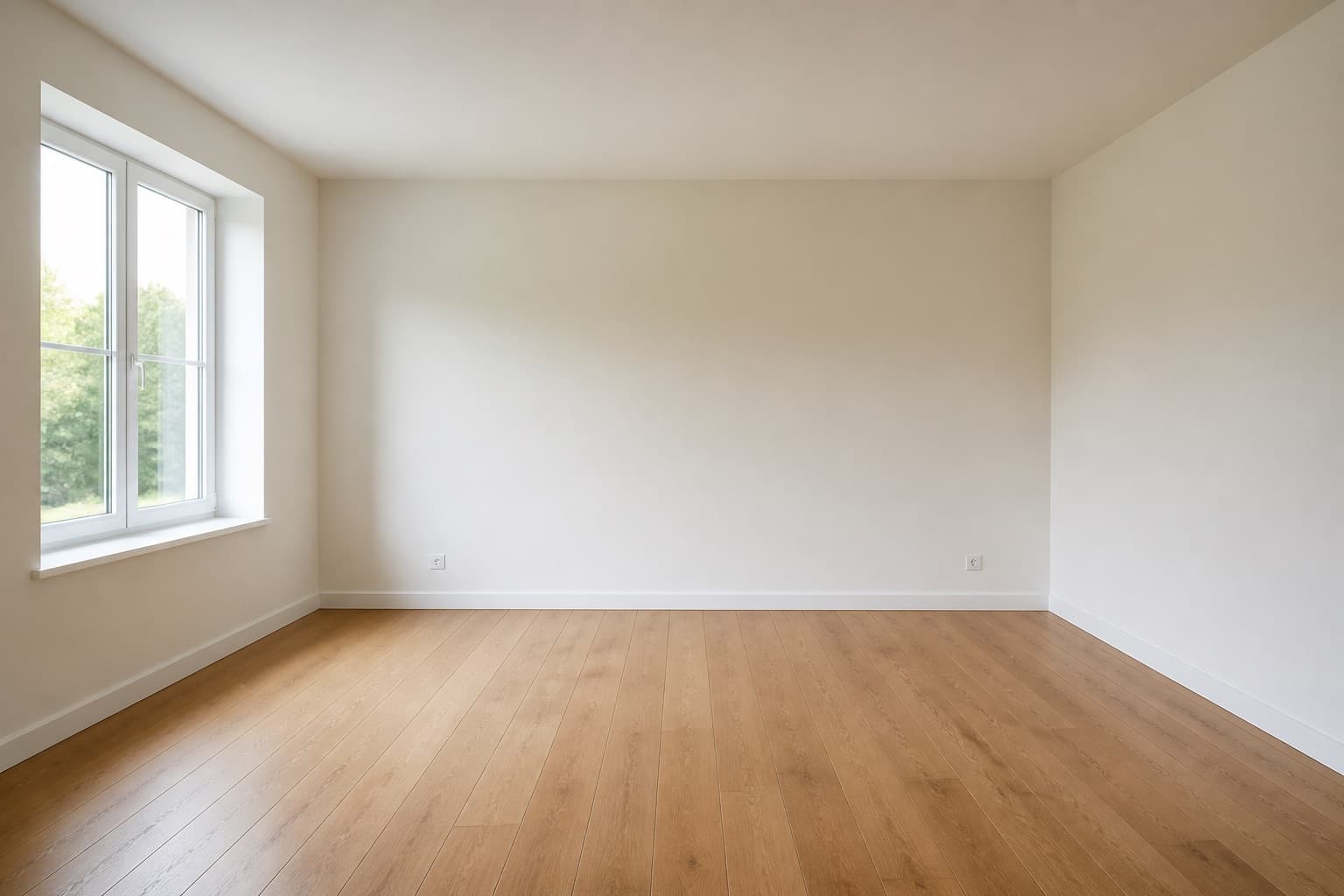 Before
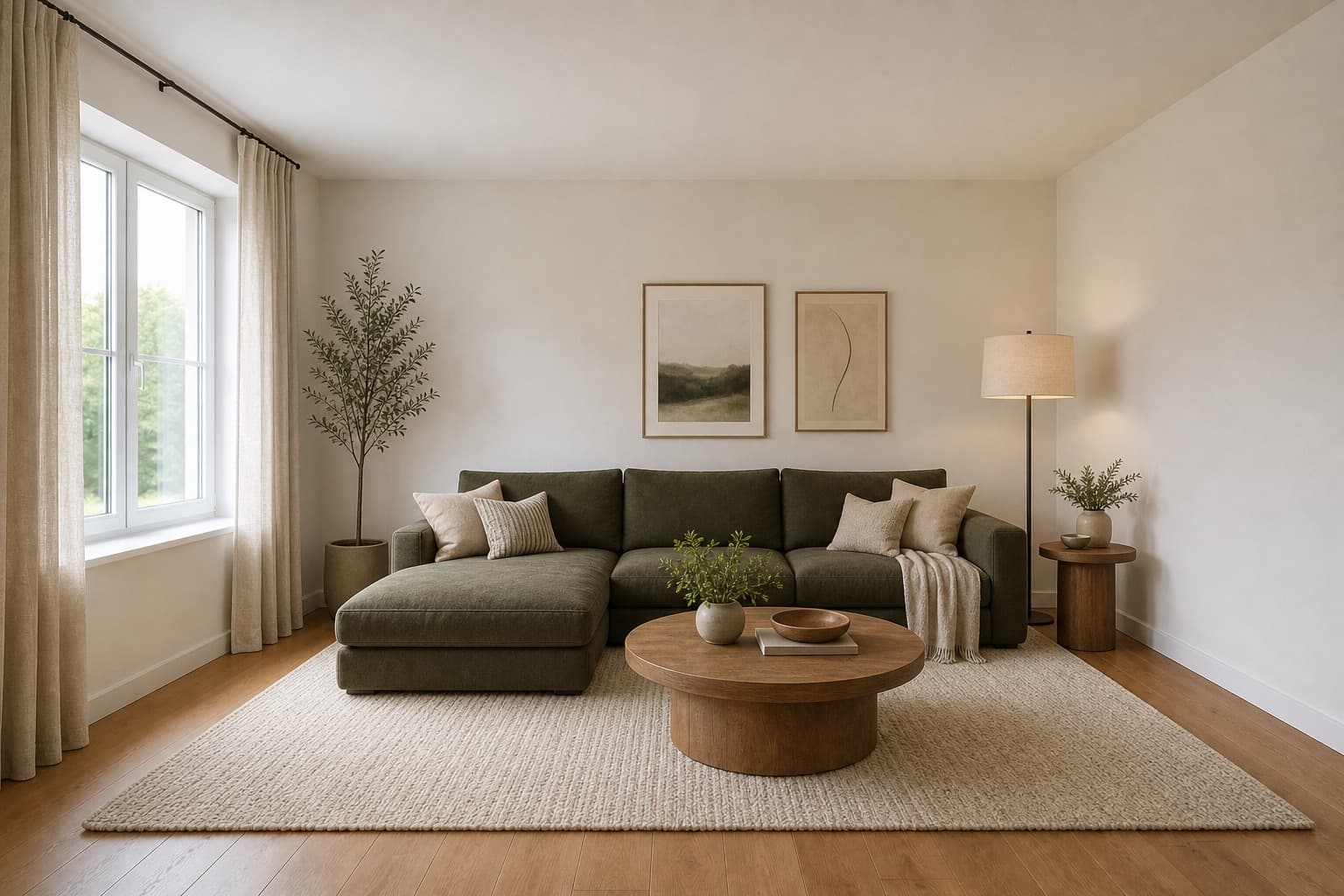 After
AfterMade for homeowners, renters and design enthusiasts
Coastal Dining Room AI
Light is the real centerpiece of a coastal dining room, not the shell motifs people hang on the walls. The palette exists to bounce daylight around — whitewashed wood reflects what little sun the room gets, seafoam blue cools the heat of a south-facing window, and driftwood tones keep the table from going clinical under all that white. Done honestly, a coastal dining room reads as a room that wants to be eaten in at noon with the curtains moving; done badly, it reads as a beach house gift shop. The line between the two is whether the light or the shells are doing the work.
Miraliq's coastal dining room AI reads the photo you upload and rebuilds the room in that direction: walls move toward whitewashed paneling, the table shifts to a driftwood-toned wood, chair cushions land in natural linen, and the pendant drops to a woven rattan fixture that throws patterned shadow. The walls, windows, and proportions stay exactly where they are. What changes is the light-handling underneath — surfaces chosen to reflect and soften rather than absorb.
Use it before you commit to whitewashing a wall, before you buy a rattan pendant, or before you repaint in a seafoam you saw on a kitchen island. A render of your own dining room answers a question a coastal mood board cannot — whether this much lightness actually survives your room's orientation and window size, or whether it washes out the moment the sun moves. The render is the point at which a vague preference for sea air becomes a decision you can act on, or a direction you can set aside before it costs you anything.
Before & After
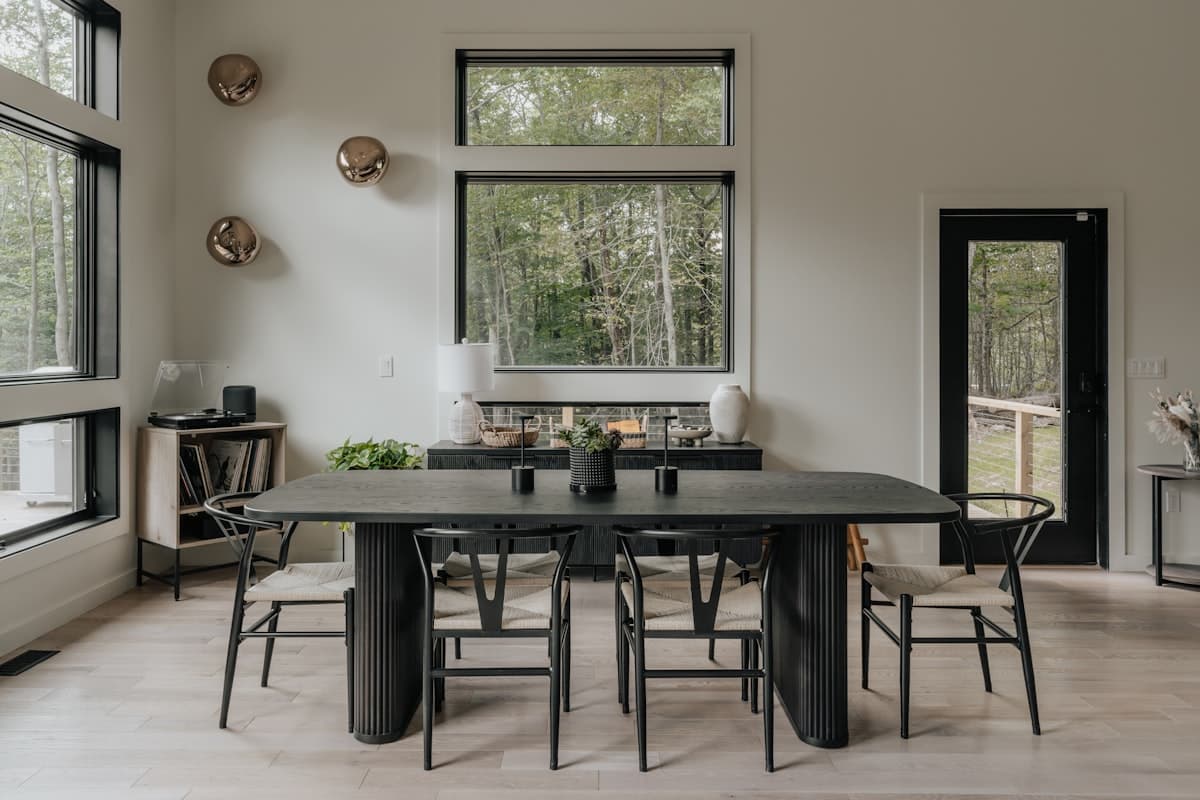 Before
 After
AfterArchitecture preserved. Palette, paneling, and lighting rebuilt in a coastal direction in a single render.
Try it now
Upload a photo and let the AI redesign it in seconds. No sign-up needed to preview.
Loved by homeowners
50K+
Rooms redesigned
180K+
Designs generated
4.9/5
Average rating
90s
Average generation time
We uploaded our living room photo and got three Scandinavian directions back in under two minutes. We picked one, showed it to our contractor, and the final result is shockingly close to the render.
Maya Patel
First-time homeowner, Brooklyn
I use this for every studio project. The Mid-century direction is genuinely well-researched — it nails the walnut + ochre + brass palette without me having to prompt for it.
Daniel Reyes
Interior design student, Chicago
Landlord won't let me paint. The refresh mode showed me how rearranging furniture, swapping rugs, and adding plants could transform the space without touching the walls. Genius.
Yuki Tanaka
Renter, Tokyo
Rated 4.9/5 by homeowners and design enthusiasts
Use Cases
Whitewashing is reversible in theory but miserable to undo in practice — once the wood is covered, sanding it back is a weekend you do not want. The coastal dining room AI renders whitewashed paneling across the full wall so you see whether the room can carry that much pale wood or whether it needs to be balanced with cleaner painted drywall. A render tells you the truth about light reflection that a sample board cannot.
North-facing dining rooms eat color and leave the room reading as grey no matter what you hang on the walls. The AI's whitewashed palette bounces what little light there is back into the room, which is exactly how coastal interiors handle the same problem in Nantucket and Carmel. The render tells you whether the strategy will actually rescue your particular corner or whether it just goes flat.
A render travels better than a mood board because it carries both palette and proportion in one image. Send the coastal dining room AI output to your designer and the first conversation starts from a shared visual, not a list of adjectives they have to interpret. You spend the meeting talking about what to change, not what you meant by coastal.
Builder-grade dining rooms tend to read as generic — matching table and chairs, flat overhead light, neutral wall. Coastal materials break that generic read without breaking the budget: the table moves to driftwood-toned wood, the pendant drops to woven rattan, and the walls pick up whitewashed paneling. The render tells you whether the trade works in your specific space before you order a single piece.
AI Design Process
Shoot your dining room straight-on from the doorway in natural daylight, with the table and the window wall visible. The coastal dining room AI reads walls, windows, and proportions from the photo itself — it does not need measurements or a floor plan. JPG, PNG, and WebP up to 4MB are supported, and a single clean frame is enough to generate from.
Select dining room as the room type and coastal as the style. The AI keeps your architecture — wall geometry, window positions, ceiling height — and applies whitewashed paneling, seafoam accents, linen cushions, and a rattan pendant over it. You are directing the palette, not redrawing the room.
In under a minute you receive a high-resolution render. Walls and windows stay exactly where they were; paneling, palette, furniture, and lighting shift toward a coastal mood. The architecture is the reference, not the casualty — nothing structural changes.
Use the before/after slider to judge whether the direction fits your light and proportions. Too pale for your taste? Generate a second render in Scandinavian to compare warmth, or in modern to lift the palette without the coastal motifs. One render rarely settles a redesign — two or three together tell you which version of lightness your room actually wants.
Room Tips
Light is the whole point of a coastal dining room, so the AI needs to see where the light comes from. Frame the photo so the main window is visible — the tool balances the palette against the actual daylight source, and without that information the whitewashed surfaces can land too warm or too cool for your room.
The coastal dining room AI uses the existing table as a scale anchor — it reads the footprint to judge how large the driftwood-toned table should be. Keep the table visible and roughly centered so the render reads proportions correctly and the new table does not come back impossibly large or small.
Coastal palettes only read as luminous when the ambient light is strong enough to bounce off the whitewashed surfaces. A dusk photo flattens them into ordinary pastels. Shoot at midday or with curtains open so the AI sees the daylight direction you actually want, and the render comes back with the glow coastal dining rooms depend on.
Chair clutter confuses the AI's reading of where linen cushions and rattan should land, because it cannot tell seat from stuff. Table clutter matters less — the redesign will replace the table surface anyway. Spend two minutes clearing the chairs and you will get a noticeably cleaner palette render.
Supported Styles
Pale oak and warm-white walls — a useful sibling to coastal when you want the lightness without the seafoam accent. It reads as cooler and more disciplined than coastal, which can be the right move if the coastal render tips toward beach-themed. Generate both and the difference between sea air and Nordic calm is immediately legible.
Clean planes and restrained palette, without the whitewashed paneling. A calmer relative of coastal that drops the rattan and the seafoam in favor of cleaner surfaces. Try it if the coastal render still reads as too themed for your taste but you want to keep the lightness.
Japanese restraint fused with Scandinavian warmth. Lower furniture, oat palette, paper-light fixtures. It reads as quieter than coastal and warmer than minimalism — a useful midpoint if the coastal render feels too bright for a room you eat in every day.
Layered textiles, natural materials, and expressive color — coastal's more saturated cousin. Where coastal keeps seafoam and linen, bohemian adds deeper color and more texture. Useful as a comparison: generate it once and the coastal render suddenly looks more disciplined by contrast.
Stripped-back and intentional, with less texture and more contrast than coastal. Where coastal keeps whitewashed paneling and woven rattan, minimalism removes them in favor of cleaner planes. Try it if the coastal render still reads as too much material for your room.
FAQ
Keep exploring
Upload one photo. The AI renders whitewashed wood, seafoam accents, and driftwood tones over your actual room in under a minute — no measurements, no software, no commitment. Free to try, no card required for the first render.
Upload & Try FreeMIRALIQ