We uploaded our living room photo and got three Scandinavian directions back in under two minutes. We picked one, showed it to our contractor, and the final result is shockingly close to the render.
Maya Patel
First-time homeowner, Brooklyn
Upload one photo of your home office. The AI renders a farmhouse direction over your actual architecture — reclaimed oak, cast iron, gingham — in under a minute.
Start with a photo of the space you actually want to redesign.
Compare directions from minimal and modern to Japandi and bohemian.
Use a visual concept to clarify your taste before buying or renovating.
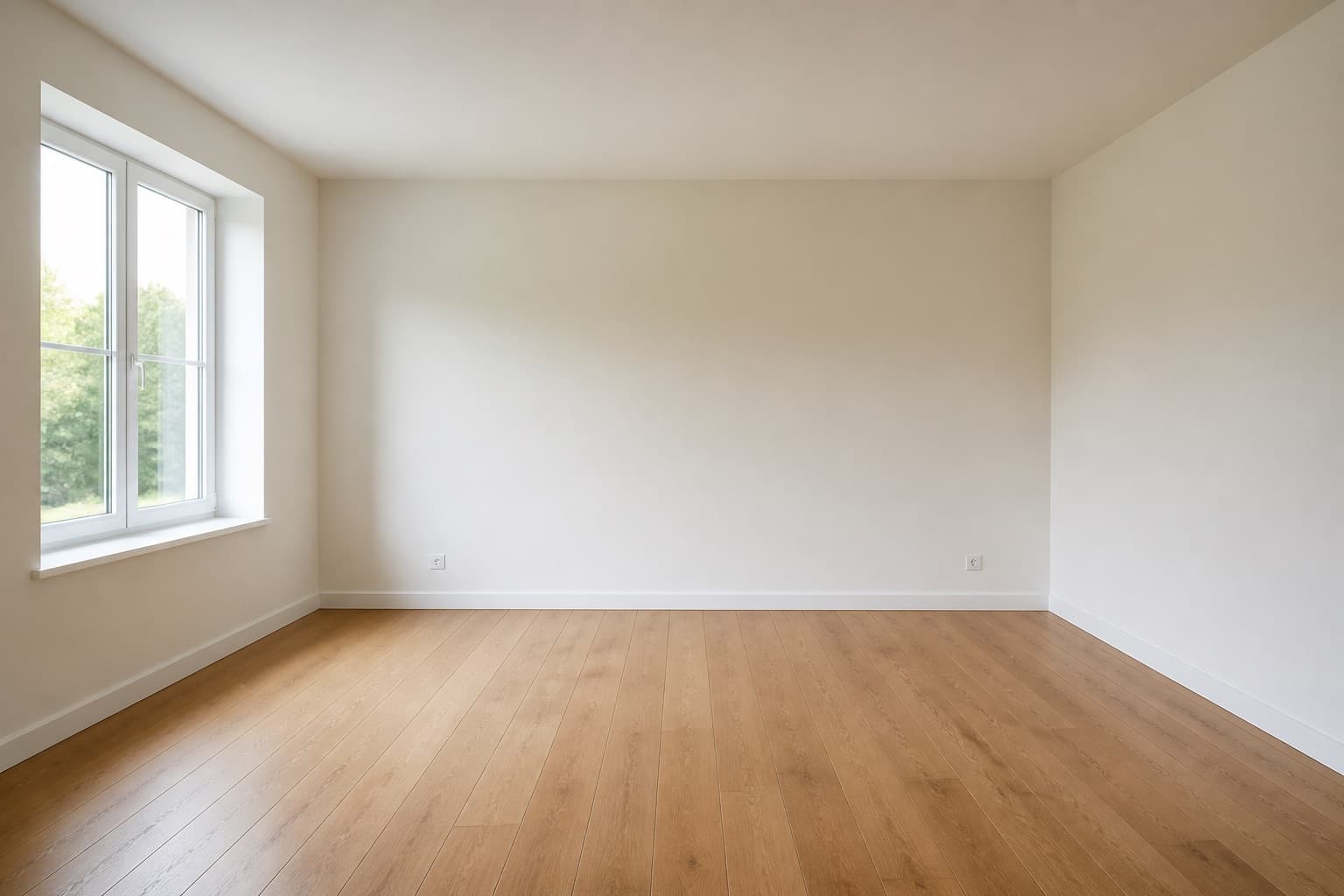 Before
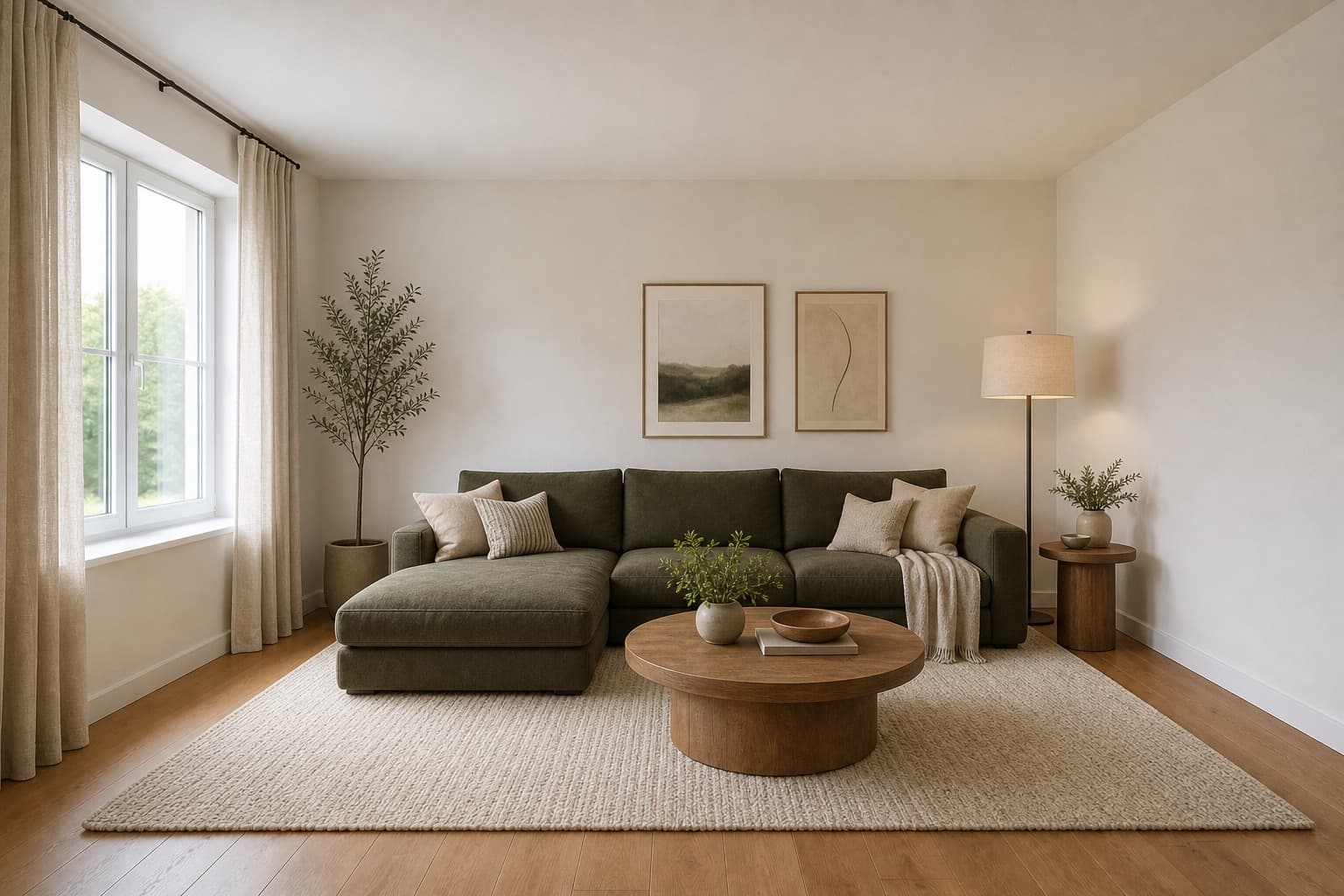 After
AfterMade for homeowners, renters and design enthusiasts
Farmhouse Home Office AI
A farmhouse home office works because it was never designed to impress a client — it was designed to outlast daily use. Reclaimed oak, cast iron hardware, and gingham curtains were chosen for endurance before they were chosen for charm, which is why the room reads as honest rather than staged, and why it holds up to a decade of coffee rings and reference books where a glossier aesthetic would start to look tired. The style was built for rooms where work actually happens, not rooms that are photographed once and lived in never.
Miraliq's farmhouse home office AI reads the photo you upload and rebuilds the room in that direction: reclaimed oak farmhouse table as the desk, shaker-style storage cabinetry, whitewashed surfaces, cast iron hardware, a warm neutral palette with gingham curtains, a pendant light with seeded glass, and an apron-front storage bench that doubles as guest seating. The walls, windows, and proportions stay where they are. The mood shifts underneath them — surfaces warm toward raw wood, the palette softens toward oat and cream, and the storage moves from open shelving to closed shaker cabinetry that hides the printer and the paper clutter.
Use it before you commit to a reclaimed oak tabletop, before you repaint the cabinetry, or before you replace the overhead light with a pendant. A render of your own room answers a question a Pinterest board cannot — whether this direction actually fits the proportions of your space, the way light moves across it, and the kind of work you actually do there. The render is the point at which a vague preference for farmhouse warmth becomes a decision you can act on, or a direction you can set aside before it costs you anything.
Before & After
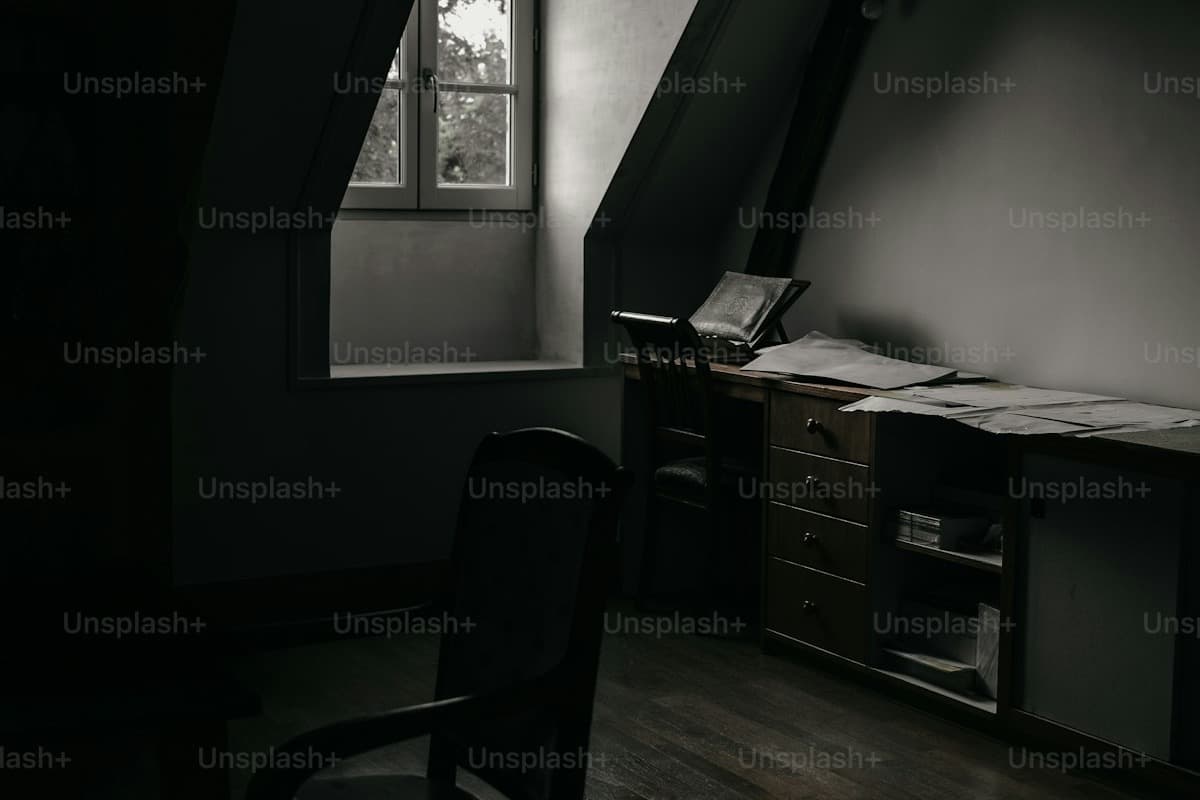 Before
 After
AfterArchitecture preserved. Desk, cabinetry, and lighting rebuilt in a farmhouse direction in a single render.
Try it now
Upload a photo and let the AI redesign it in seconds. No sign-up needed to preview.
Loved by homeowners
50K+
Rooms redesigned
180K+
Designs generated
4.9/5
Average rating
90s
Average generation time
We uploaded our living room photo and got three Scandinavian directions back in under two minutes. We picked one, showed it to our contractor, and the final result is shockingly close to the render.
Maya Patel
First-time homeowner, Brooklyn
I use this for every studio project. The Mid-century direction is genuinely well-researched — it nails the walnut + ochre + brass palette without me having to prompt for it.
Daniel Reyes
Interior design student, Chicago
Landlord won't let me paint. The refresh mode showed me how rearranging furniture, swapping rugs, and adding plants could transform the space without touching the walls. Genius.
Yuki Tanaka
Renter, Tokyo
Rated 4.9/5 by homeowners and design enthusiasts
Use Cases
A reclaimed oak tabletop is the single most defining move in a farmhouse home office, and the most expensive to get wrong. Real reclaimed oak is heavy, uneven, and behaves nothing like the flat oak veneer most people imagine — it absorbs light differently, it shows every mark, and it reads as warm or rustic depending entirely on what surrounds it. The render shows you whether the material actually works in your room before you spend four figures on a slab you cannot return.
Shaker-style cabinetry is the storage move that defines a farmhouse home office, and the one that is hardest to undo because it is built in. The render shows you whether floor-to-ceiling shaker cabinetry reads as warm or oppressive against your particular walls, at your particular ceiling height, before you sign a cabinetmaker's invoice. Most home offices want shaker at a smaller scale than the photo suggests — a single wall of cabinetry rather than two — and the render is how you find that scale.
The honest reason most home offices drift toward farmhouse is that the style is built around closed storage — shaker cabinetry with cast iron hardware that hides the printer, the paper trays, the cable box, and the three years of tax files. The render shows you whether the closed-storage approach actually reads as intentional in your room, or whether it just looks like you are trying to hide a mess. Most home offices want a mix of open display and closed storage, and the render is how you find the right ratio.
AI Design Process
Shoot your home office straight-on from the doorway in natural daylight, with the largest wall and your current desk both visible. The farmhouse home office AI reads walls, windows, and proportions from the photo itself — it does not need measurements or a floor plan. JPG, PNG, and WebP up to 4MB are supported, and a single clean frame is enough to generate from.
Select home office as the room type and redesign as the mode. The AI keeps your architecture — wall geometry, window positions, ceiling height — and applies a reclaimed oak table desk, shaker cabinetry, cast iron hardware, gingham curtains, and a seeded-glass pendant over it. You are directing the mood, not redrawing the room.
In under a minute you receive a high-resolution render. Walls and windows stay exactly where they were; desk, cabinetry, wall color, window treatment, and lighting shift toward a farmhouse mood. The architecture is the reference, not the casualty — nothing structural changes.
Use the before/after slider to judge whether the direction fits your light and proportions. Too rustic for your taste? Generate a second render in modern to sharpen the lines, or in Scandinavian to lighten the wood. One render rarely settles a redesign — two or three together tell you which version of warmth your room actually wants.
Room Tips
Farmhouse home offices live or die by the wall of shaker cabinetry, so the AI needs to see the wall you are considering. Frame the photo so the longest uninterrupted wall is fully visible corner to corner, not cropped. The tool balances the cabinetry scale against your actual ceiling height and window position, and a cropped wall forces it to guess, which makes the render come back with cabinetry that looks wrong relative to your real architecture.
The farmhouse home office AI uses your existing desk and chair as a scale anchor — it reads the chair seat height to judge where the new reclaimed oak tabletop should land, which matters because farmhouse tables sit slightly lower than standard desks. Keep both visible and roughly centered so the render reads ergonomics correctly and the new desk does not come back at a height your arms will hate after a full workday.
Surface clutter confuses the AI's reading of the desk and cabinetry, because it cannot tell where the work surface ends and the stuff begins. Clear the papers, coffee cups, and cables. The printer can stay — it gives the AI accurate information about the kind of closed storage your workflow actually needs, which helps it render the shaker cabinetry at the right scale and configuration for your real life.
Farmhouse materials live in warm light — reclaimed oak, cast iron, and gingham all read their best in the golden hours of late afternoon, which is also when most home offices are actually in use. Photograph the room in that light, because that is the condition the render needs to evaluate. A photo taken in flat midday light will understate the warmth that the reclaimed oak will actually bring to the room once it is installed.
Supported Styles
Pale oak floors, white walls, and linen upholstery. A lighter default than farmhouse if the reclaimed oak reads too heavy — it shares the warm-wood vocabulary but swaps the raw oak for bleached, which reads as calm rather than rustic.
Clean lines and balanced forms with restrained details. A sharper default than farmhouse if the gingham and cast iron read as too rustic for your work — it keeps the warm palette but trades the reclaimed oak for matte oak and brushed metal, which reads as professional rather than country.
Warm woods and organic curves rooted in the 1950s and 60s. A useful partner if the farmhouse render reads too literal — teak and walnut keep the warm-wood character that farmhouse promises, but with cleaner lines and tapered legs that read as designed rather than repurposed.
Japanese restraint fused with Scandinavian warmth. Lower furniture than farmhouse, an oat and oak palette, and paper-light fixtures. It reads as quieter than farmhouse and warmer than minimalism — a useful midpoint if the farmhouse render feels too busy with hardware and pattern but pure minimalism feels too bare for a working room.
Layered textiles, natural materials, and expressive color — farmhouse's louder, more expressive cousin. Useful as a comparison if the farmhouse render feels too restrained: generate it once and the farmhouse render suddenly looks more disciplined and intentional by contrast.
FAQ
Keep exploring
Upload one photo. The AI renders a reclaimed oak table desk, shaker cabinetry, and seeded-glass pendant over your actual room in under a minute — no measurements, no software, no commitment. Free to try, no card required for the first render.
Upload & Try FreeMIRALIQ